Internal mobility and upskilling
Sometimes, your best next hire is already working for your company. High-density organizations make it easier for people to move across teams, take on stretch assignments, and grow into roles—rather than constantly hiring from the outside.
And it works: internal hires are??to be rated as “top performers” compared to external hires. They’re already proven, high-performing employees in your culture. They understand the culture, they ramp up faster, and they often bring institutional knowledge that accelerates execution.
Upskilling builds density from within, and it sends a clear message: We invest in our people. And when people see upward paths inside the org, employee engagement goes up—along with retention.
Workforce planning that prioritizes capability
This isn’t just about filling seats. Strategic planning needs to account for who can do what, not just how many people you have. Leaders need visibility into where their strongest players are—and how to reconfigure teams when priorities shift. That means bringing finance, HR, and business leaders into one planning model that looks at talent through the lens of impact.
Intelligent tooling
Modern, AI-powered platforms like 草莓视频 are evolving to support this shift. From surfacing hidden skills, to suggesting internal mobility paths, to modeling workforce scenarios based on actual capacity. These systems are helping orgs design smarter, data-informed teams and build more intentional talent management strategies.
Talent density is a people challenge. But it’s a systems problem, too. The better your infrastructure, the easier it becomes to build and maintain a team where excellence compounds.
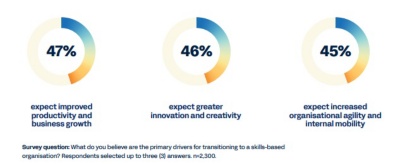
47% of leaders—and 59% of AI Pioneers—say AI and machine learning are force?multipliers for their people. That’s exactly the mindset behind talent density: use data and systems to make great people even better.